Google DeepMind's SynthID Bio watermarks AI-designed proteins without breaking their function
Google DeepMind has published a watermarking system for AI-designed proteins so screeners can trace their origin, with wet-lab tests on three protein targets showing the mark does not weaken their performance.
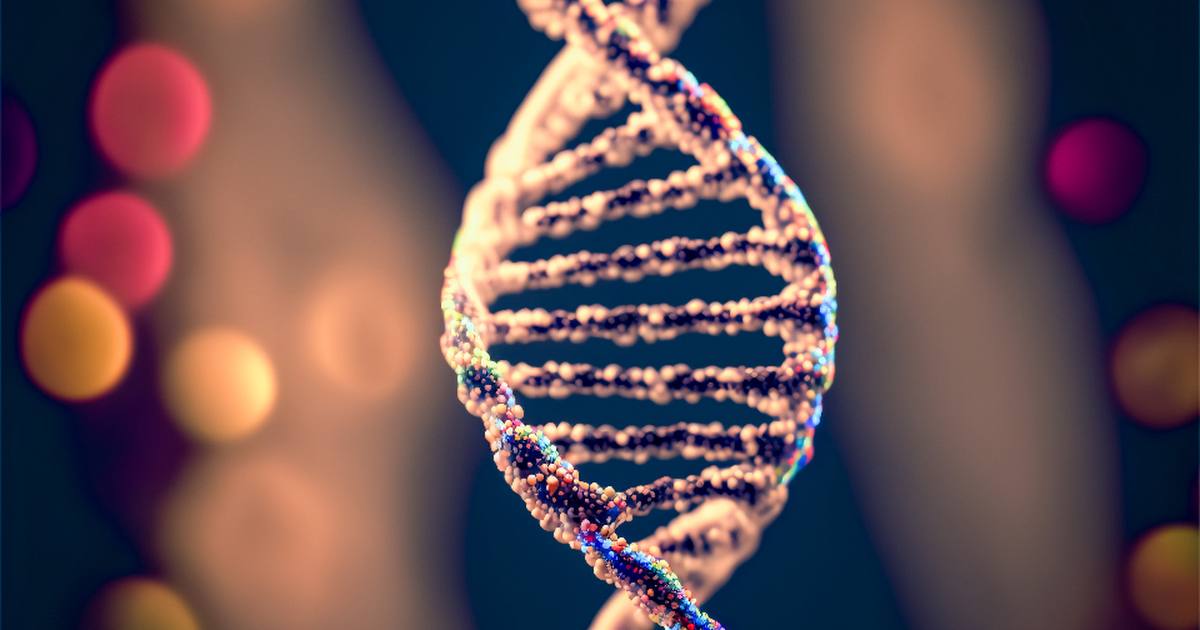
Google DeepMind has introduced SynthID Bio, a set of methods for watermarking proteins that are designed with artificial intelligence, extending its existing SynthID technology for watermarking AI-generated text, images and audio into biology. The work was published in the journal Nature and described in a DeepMind blog post.
The system embeds a hidden signal in the amino-acid sequence of a designed protein and in the atomic coordinates of its predicted three-dimensional structure. The signal can be checked once the protein has actually been manufactured, not just in the digital design file. A second method fine-tunes part of DeepMind's AlphaFold 3 model so that any structure the model predicts carries the mark automatically, regardless of who is running the software.
DeepMind tested the sequence-based approach by pairing its AlphaProteo protein-design method with a watermarked version of ProteinMPNN, generating binder proteins against three targets: the VEGF-A growth factor, the receptor-binding domain of the SARS-CoV-2 spike protein, and the immune checkpoint protein PD-L1. In wet-lab testing, the company reported that the watermarked binders matched unwatermarked ones on hit rate, binding strength and the natural diversity of their sequences.
DeepMind says the goal is to help companies that synthesize DNA to order screen incoming requests against databases of known biological threats. A watermark would let those screening systems automatically recognize that a submitted design came from an AI model with its own safety checks built in, adding a layer of verification on top of today's sequence-matching checks.
DeepMind chief executive Demis Hassabis said on social media that biosecurity is among the most urgent challenges of the AI era, and that the company is open-sourcing the SynthID Bio code and underlying data so other researchers can build on it.
The release was covered by Nature's own news team and by security outlet Help Net Security, both framing it as part of a broader push by AI labs to build traceability into biological design tools as AI-assisted protein engineering becomes cheaper and more widely available.
From Spaqitech & Spaqi Consulting
Sources
- Nature: Secret watermark labels proteins as 'made by AI'
- Help Net Security: Google's SynthID Bio can watermark AI-designed protein binders without breaking them
- Google DeepMind: Introducing SynthID Bio
This summary was written with AI assistance from the sources above. The image is illustrative and may not show the events described.